Hibakusha, the atomic bomb survivors
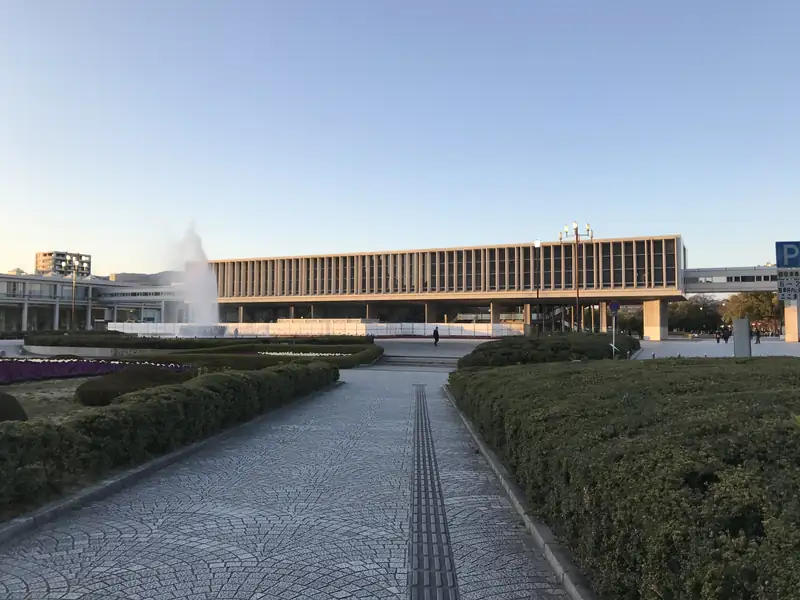
Hibakusha are the people who survived the atomic bombings of Hiroshima and Nagasaki in 1945, as recognised by Japanese law. In March 2026, 91,105 held a survivor certificate, with an average age of 86.66. In Hiroshima you can hear their stories at the Peace Memorial Museum, where a free English talk runs daily at 13:00.
Hibakusha are the survivors of the atomic bombings of Hiroshima on 6 August 1945 and Nagasaki three days later. Japanese law defines who counts, and the government issues them a health certificate. At the end of March 2026, 91,105 people held one, with an average age of 86.66, and 33,232 of them lived in Hiroshima City. In Hiroshima you can hear their experiences told at the Peace Memorial Museum, where trained Legacy Successors give a free talk in English every day at 13:00.
Who the hibakusha are
The word means, roughly, people affected by the bomb. In Hiroshima they were whoever was in the city that morning. The City of Hiroshima’s account of the roughly 350,000 people present lists residents, soldiers, workers brought in from outside the city, people from Korea, Taiwan and mainland China (some of them conscripted), a few foreign students and American prisoners of war.
Survivors have spent decades telling what they saw. The Nobel Committee, honouring them in 2024, described how they drew on personal stories, ran educational campaigns and warned against the spread and use of nuclear weapons.
The legal definition
To receive medical support, a survivor needs an Atomic Bomb Survivor’s Health Handbook, issued by the prefecture (or by the city in Hiroshima and Nagasaki). Jiji Press reports that the government has issued these certificates since 1957. Hiroshima Prefecture lists four groups who can hold one.
| Category | Who it covers (Hiroshima) |
|---|---|
| Directly exposed | People inside Hiroshima City or certain neighbouring areas when the bomb exploded |
| Entered the city | People who came within about 2 km of the hypocentre within two weeks, by 20 August 1945 |
| Rescue and relief | People who, within two weeks, were in close contact with injured survivors, for example by caring for them |
| Unborn | Children of people in the groups above, born by 31 May 1946 |
Source: Hiroshima Prefecture, checked October 2026. Nagasaki has its own dates.
The rules have been widened over time. After a court ruling in 2021, people exposed to the “black rain” that fell after the bombing, outside the area the government had first drawn, can be recognised from April 2022 if they have one of a list of illnesses, according to reports in Hiroshima’s Chugoku Shimbun.
How many survivors are alive today
| As of | Certificate holders | Average age |
|---|---|---|
| End of March 2025 | 99,130 | 86.13 |
| End of March 2026 | 91,105 | 86.66 |
Source: Ministry of Health, Labour and Welfare figures reported by Jiji Press, July 2026. The count covers survivors of both cities.
The number falls by thousands each year, and the museum’s Legacy Successor talks are one way the accounts are being passed on.
Hearing testimony in Hiroshima
Legacy Successor talks at the museum
A-bomb Legacy Successors are people trained to pass on the story of a particular survivor, and they tell it on that survivor’s behalf. Hibakusha Family Member Legacy Successors do the same for a parent or grandparent.
Testimony sessions at the museum (checked October 2026)
| Session | Detail |
|---|---|
| Legacy Successor talk in English | 13:00 daily, 1 January to 29 December |
| Talks in Japanese | 10:00, 11:30 and 14:30 |
| Where | East Building, basement floor (B1F) |
| Length | About 60 minutes |
| Price and booking | Free, no booking |
| Testimony film | 22 minutes, every 30 minutes, East Building 1F Video Theater, free |
| Survivors in person | At special times such as 5 and 6 August, mostly in Japanese with some English sessions |
| Online for groups abroad | Zoom testimony for groups of 10 or more outside Japan, free, weekdays, by application |
Arrive a few minutes early for the 13:00 talk.
We could not confirm a regular English session given by a survivor in person for individual visitors. The museum announces special sessions on its news page, as it did in July 2026 for that August.
Elsewhere in the park
The Hiroshima National Peace Memorial Hall for the Atomic Bomb Victims, east of the Cenotaph, holds survivors’ written memoirs and the names and photographs of people who died. Some paid guides in Hiroshima are family members of survivors and share their own family’s experience on walks through the park; the tours page lists them.
Listening well
Testimony is given freely, often at personal cost. A few courtesies help:
- Arrive on time and stay to the end.
- Keep your phone silent, and ask before taking photographs or recording.
- If there is time for questions, ask about the person’s life, not only the bombing.
- A simple thank you at the end is enough.
Nihon Hidankyo and the 2024 Nobel Peace Prize
In 1956 local survivor associations, together with victims of nuclear weapons tests in the Pacific, formed the Japan Confederation of A- and H-Bomb Sufferers Organisations, known in Japanese as Nihon Hidankyo. It became the largest survivors’ organisation in Japan.
In October 2024 the Norwegian Nobel Committee awarded Nihon Hidankyo the Nobel Peace Prize, “for its efforts to achieve a world free of nuclear weapons”, and for showing through witness testimony that nuclear weapons must never be used again. The committee said survivors’ accounts had helped build a taboo against using nuclear weapons, and noted that new generations in Japan are carrying their experience forward.
Where to go next
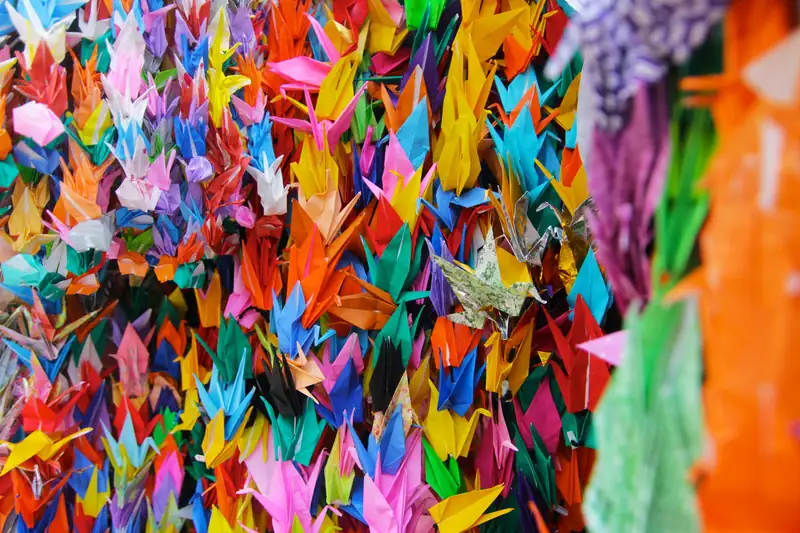
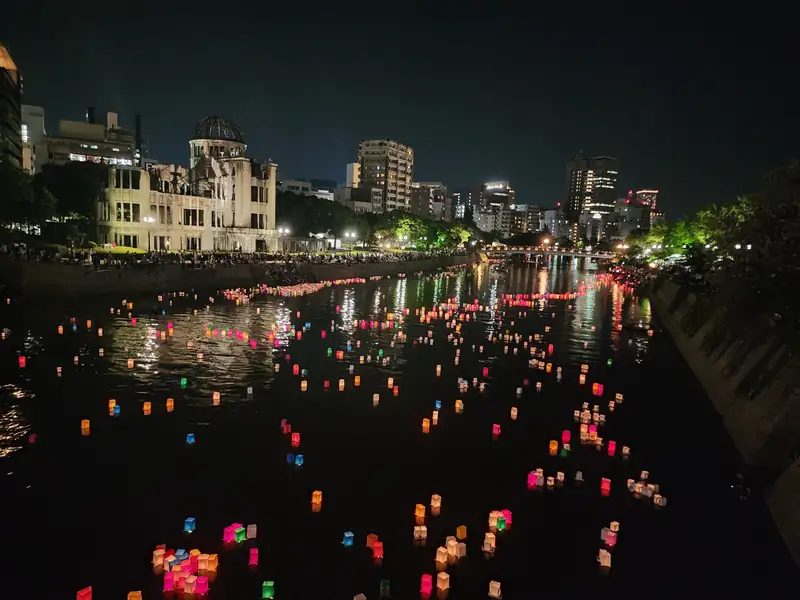
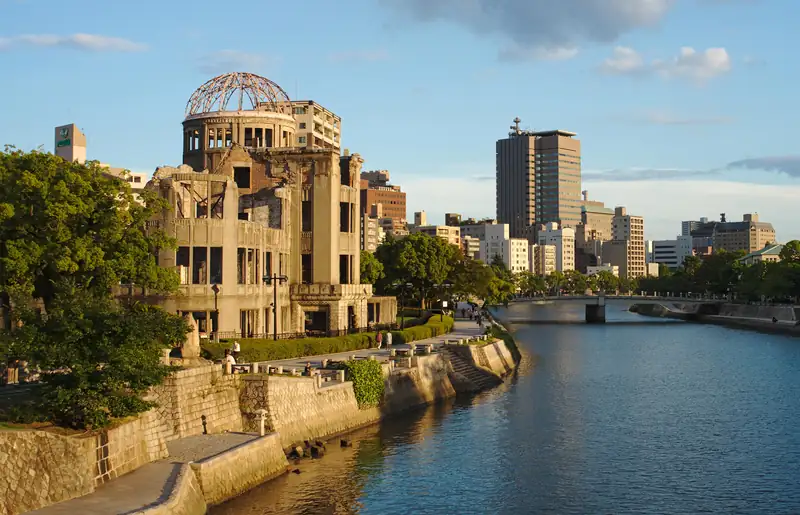
The Peace Memorial Museum is the place to start. The story of Sadako Sasaki, a survivor who died at 12, is told at the Children’s Peace Monument. If you are in Hiroshima around 6 August, the day of the Peace Memorial Ceremony, the museum holds survivor testimony sessions on 5 and 6 August.