Hiroshima itinerary: one day, two days and a day trip
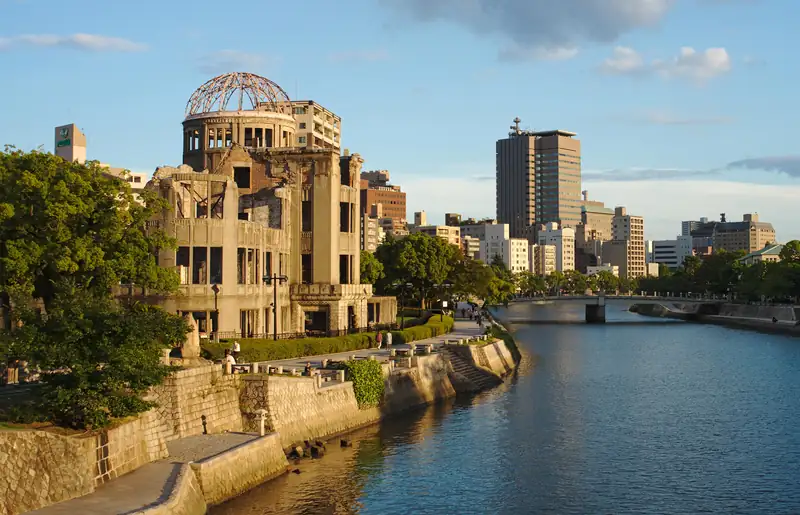
With one day in Hiroshima, spend the morning at the Atomic Bomb Dome and the Peace Memorial Park, the middle of the day in the museum, and the afternoon at Shukkeien or the castle grounds. With two days, add Miyajima. Spring and late autumn are the most comfortable seasons; avoid the museum between 11:00 and 15:00.
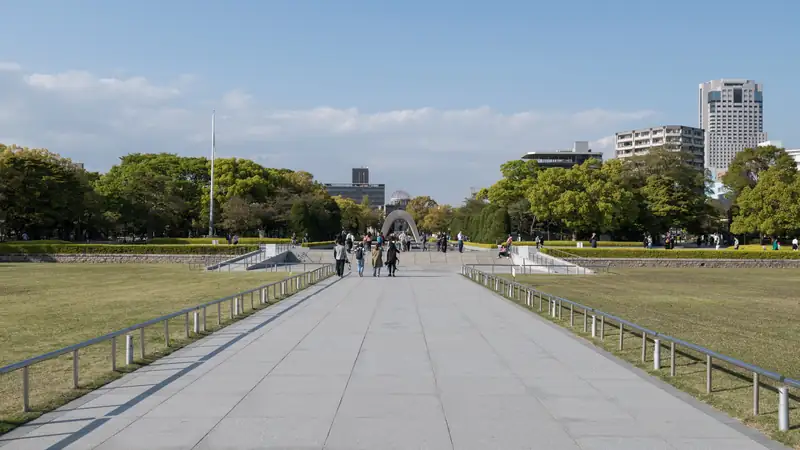
A good Hiroshima itinerary needs one day for the Peace Memorial Park and one day for Miyajima. On day one, start at the Atomic Bomb Dome, walk south through the park’s memorials, and spend 1.5 to 2 hours in the Peace Memorial Museum, ideally before 11:00 or after 15:00. On day two, take the tram or the river boat to Miyajima. If you only have a day trip, keep it to the Peace Park.
This page links every planning guide on the site, so you can start here and follow the links for detail.
Hiroshima in one day
The order below follows the park from north to south and keeps the museum outside its busiest hours where possible.
| Time | Stop | Notes |
|---|---|---|
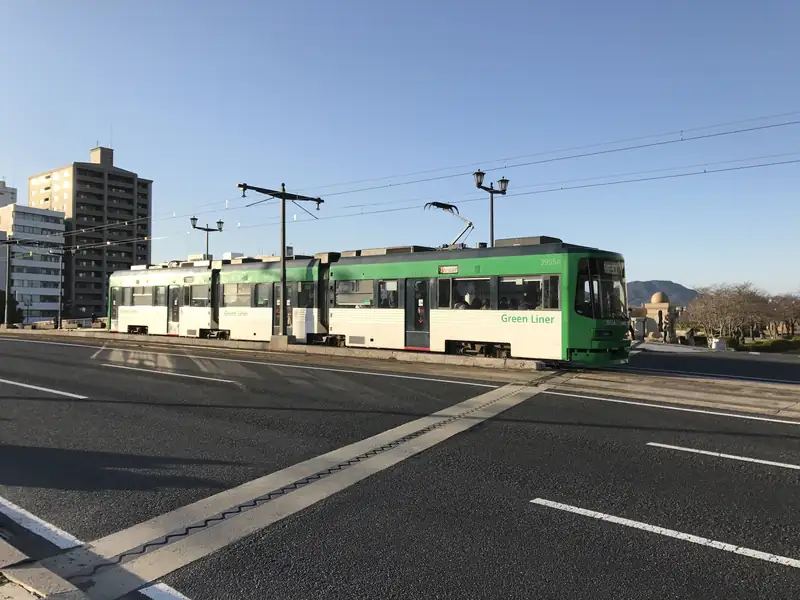
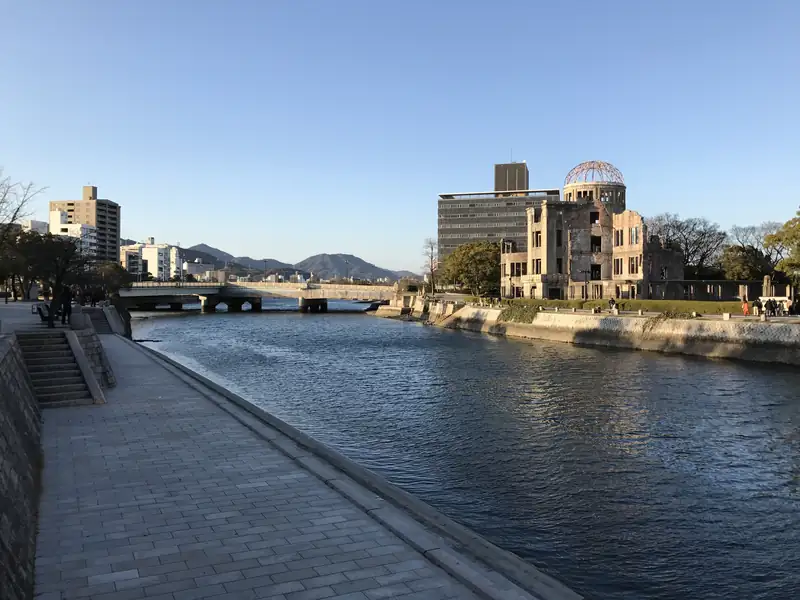
| 8:00 | Atomic Bomb Dome | Tram 2 or 6 to Genbaku Dome-mae. Free, viewed from outside |
| 8:20 | Aioi Bridge and the hypocentre | A 2-minute walk; the bomb exploded above the Shima Hospital site |
| 8:40 | Children’s Peace Monument, Peace Bell | Cranes are offered in the booths around the monument |
| 9:00 | Cenotaph and Flame of Peace | The Dome is framed through the Cenotaph’s arch |
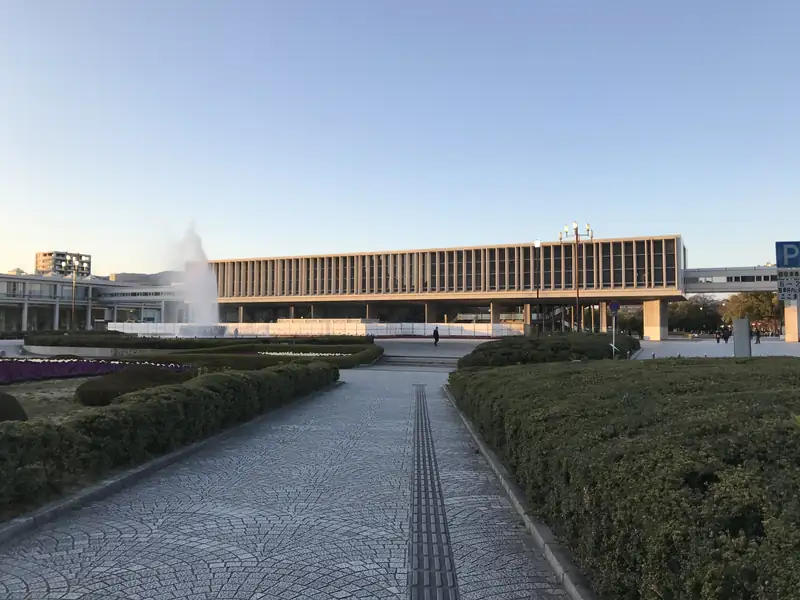
| 9:15 | Peace Memorial Museum | Allow 1.5 to 2 hours |
| 11:30 | National Peace Memorial Hall or rest by the river | |
| 13:00 | Legacy Successor talk in English (museum, free) | Optional, 60 minutes |
| 14:30 | Shukkeien Garden or Hiroshima Castle grounds | Or Orizuru Tower for the view over the Dome |
| Evening | Okonomiyaki dinner |
If you are staying in the city, swap the start for the museum’s reserved 7:30 slot, then walk to the Dome afterwards. That is the quietest way to see the exhibition. Booking details are in our museum tickets guide.
Each stop has its own page: the Atomic Bomb Dome history, Aioi Bridge, the Children’s Peace Monument, the Flame of Peace, the museum, Orizuru Tower, Shukkeien Garden and Hiroshima Castle. For food, see okonomiyaki in Hiroshima.
Hiroshima in two days
Day one is the Peace Park day above.
Day two is Miyajima. Take Hiroden tram route 2 to Hiroden-miyajima-guchi and the ferry across, or the Aqua Net World Heritage Route boat from Motoyasu Pier beside the Dome (about 45 minutes, 2,400 yen one way). Every visitor pays a 100 yen Miyajima Visitor Tax with the ferry fare. Spend the morning at Itsukushima Shrine and the afternoon on the island’s walks. Check the tide: the Great Torii looks as if it floats at high tide and can be reached on foot at low tide. Our Miyajima guide and Hiroshima to Miyajima page cover the details.
With a third day, add Mitaki Temple, and a slower look at the city in our things to do in Hiroshima guide.
A Hiroshima day trip
Most people who visit on a day trip come from Osaka, Kyoto or further along the Shinkansen. Timetable sites give the Nozomi from Shin-Osaka at about 1 hour 25 minutes and from Kyoto at about 1 hour 40. From Tokyo it is about 4 hours each way, which makes a day trip hard going.
- From Osaka: fares, JR Pass trains and a timed plan in Osaka to Hiroshima.
- From Kyoto: the same in Kyoto to Hiroshima.
- From Tokyo: why one night is better, in Tokyo to Hiroshima.
On a day trip, cut the afternoon garden and keep the Dome, the park and the museum. At the station, the tram to the Dome now leaves from the 2nd floor of the station building; see how to get to the Atomic Bomb Dome.
Best time to visit Hiroshima
| Month | Mean high | Mean low | Rain |
|---|---|---|---|
| January | 9.9 °C | 2.0 °C | 46 mm |
| April | 19.8 °C | 10.1 °C | 141 mm |
| June | 27.2 °C | 19.8 °C | 227 mm |
| July | 30.9 °C | 24.1 °C | 280 mm |
| August | 32.8 °C | 25.1 °C | 131 mm |
| October | 23.7 °C | 14.9 °C | 109 mm |
| November | 17.7 °C | 8.9 °C | 69 mm |
Japan Meteorological Agency averages for 1991 to 2020 (JMA).
Late March to May and October to November are the most comfortable months for walking the park. The trade-off is crowds: the museum’s leaflet lists cherry blossom season, Golden Week, the school-trip seasons in late spring and autumn, 5 and 6 August and Obon as its busiest times. On those dates, go early or late in the day.
June and July are the wettest months. August is the hottest, and heat-stroke alerts cancel the free volunteer park tours, which do not run from July to September anyway. Winter is cold but quiet, and the museum closes at 18:00 from December to February.
6 August is the anniversary of the atomic bombing. The Peace Memorial Ceremony runs from 8:00 in the park, entry is restricted from early morning and roads close. Visit then only if you want to attend; our Hiroshima Day page explains the day.
Where to stay and how to book
- Hotels by area, from the station to the park: where to stay in Hiroshima.
- Guided walks and day tours compared: best Hiroshima tours.
- Deciding whether to go at all: is Hiroshima worth visiting.
- Choosing between the two cities: Hiroshima or Nagasaki.