Is Hiroshima worth visiting?
Yes. Hiroshima is where the atomic bombing of 6 August 1945 is remembered, at the Atomic Bomb Dome, the Peace Memorial Park and the museum, and Miyajima is under an hour away. Allow at least half a day for the Peace Park. Expect a quiet, serious visit, and keep to a few simple courtesies.
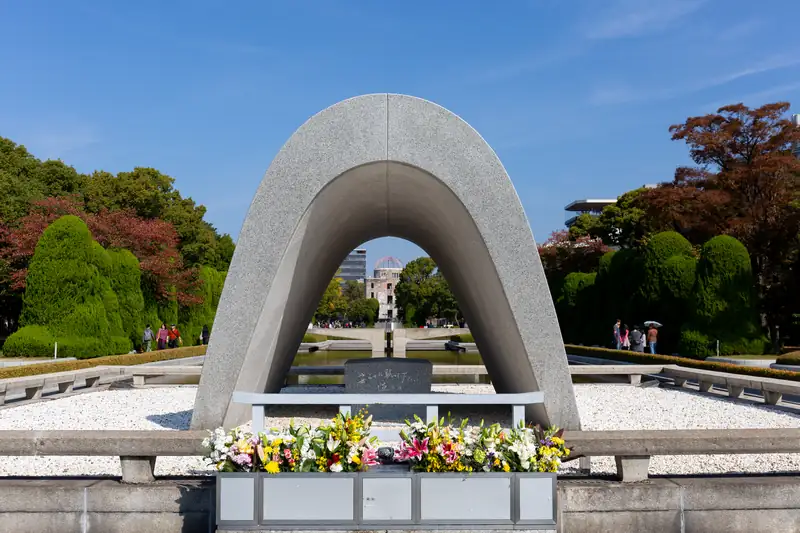
Yes, Hiroshima is worth visiting. It is where the atomic bombing of 6 August 1945 is remembered: at the Atomic Bomb Dome, a World Heritage Site since 1996, in the Peace Memorial Park around it, and in the Peace Memorial Museum. A visit is quiet and serious. Allow at least half a day for the Peace Park and the museum, and two days if you add Miyajima.
The numbers say the same. The museum recorded 2,580,926 visitors in the year to March 2026, the third record year in a row, and 945,618 of them came from overseas (Jiji via nippon.com).
What a visit is like
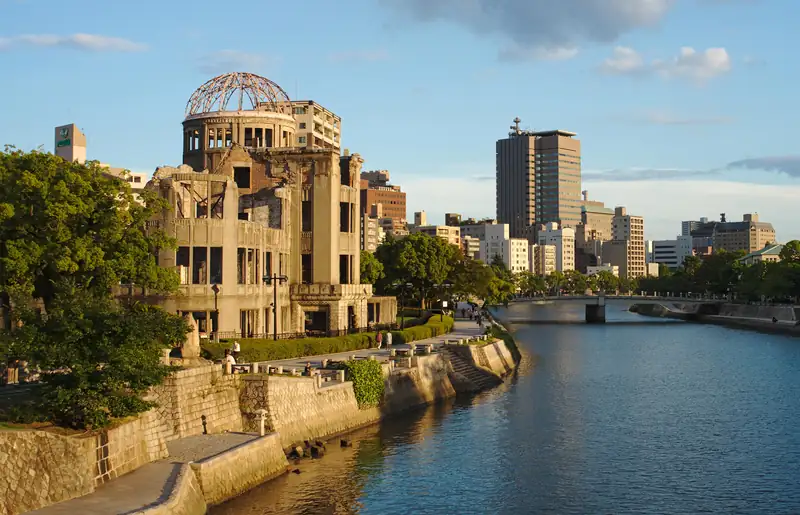
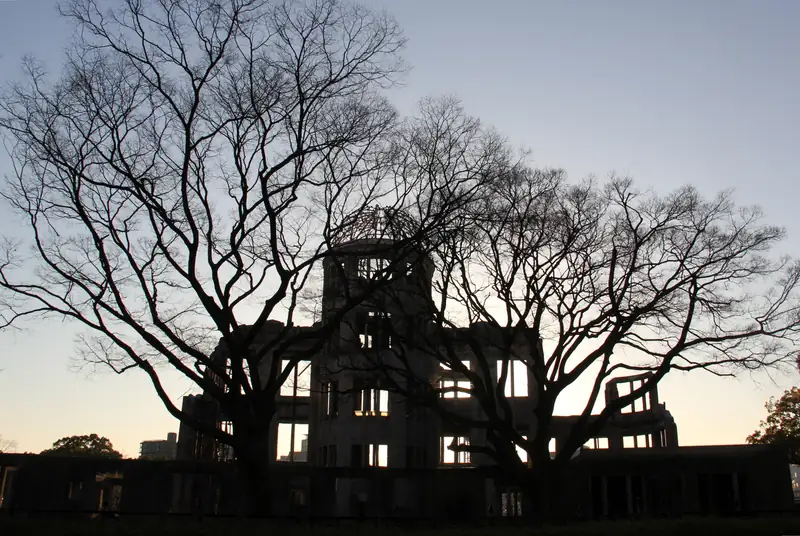
You arrive by tram at Genbaku Dome-mae and the Dome is in front of you: the brick shell and bare steel frame of the former Hiroshima Prefectural Industrial Promotion Hall, kept as it was left after the bombing. The bomb exploded about 600 m above Shima Hospital, about 160 m from the building (City of Hiroshima). You cannot go inside; a fence keeps visitors out, and you see it from the riverside paths. Our history of the Atomic Bomb Dome tells the building’s story.
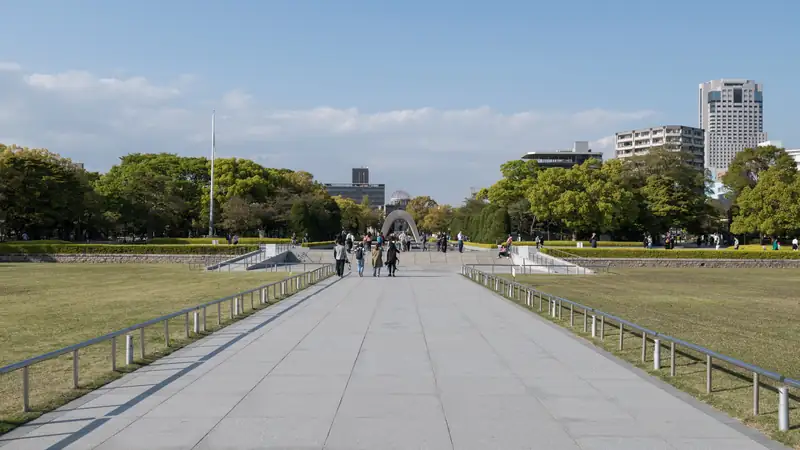
Across the river, the Peace Memorial Park is laid out on a single line from the Dome to the museum. People walk slowly here. School groups leave strings of paper cranes at the Children’s Peace Monument, built in memory of Sadako Sasaki and the children who died. Visitors stand at the Cenotaph, which holds the register of names of those who died, and look north through its arch to the Dome.
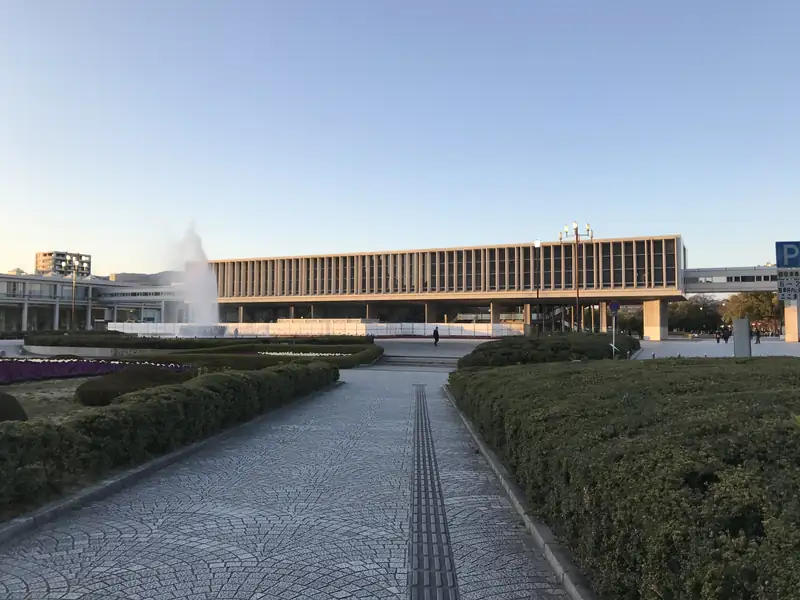
The museum is the hardest part of the day. The Main Building displays belongings of people who died and explains the effects of the bomb’s heat and radiation. You may want a quiet pause by the river afterwards. Allow 1.5 to 2 hours. Our museum guide describes the exhibition, and the tickets page has hours and fees.
If your timing allows, hear the free English talk at 13:00 by a Legacy Successor, a person trained to pass on one survivor’s account. Our page on the hibakusha explains these talks.
Who it suits, and who might wait
Hiroshima suits anyone travelling in western Japan with a day to spare, including families with older children and anyone interested in 20th-century history. It is an easy addition to Osaka or Kyoto.
It may not suit a trip built only around food, shopping and nightlife, or a family with very young children who cannot be in a museum for long. Even then, the Dome and the park alone are worth an hour, and they are free.
Is it okay for Americans to visit Hiroshima?
Yes. Hiroshima receives visitors from every country, and in May 2016 Barack Obama became the first sitting US president to visit and laid a wreath in the Peace Memorial Park (White House archive). American visitors are received like any others.
Is Hiroshima safe and still radioactive?
The City of Hiroshima says radiation is at normal background levels and has no effect on the human body (City FAQ). Our page on Hiroshima today explains how the city was rebuilt.
What a visit costs
Very little. The Atomic Bomb Dome and the Peace Memorial Park are free. The museum charges 200 yen for adults and 100 yen for high school students, and younger children go in free. The audio guide is 500 yen. A tram from Hiroshima Station to the Dome costs 240 yen each way. The Legacy Successor talks and the testimony film at the museum are free. A guided walk of the park is optional; the Hiroshima Peace Volunteers run free English tours outside July to September, and our best Hiroshima tours page compares the paid ones.
When to think twice about the date
- 6 August: the anniversary. Entry to the park is restricted from 5:00 to 9:00 for the Peace Memorial Ceremony, with bag checks at the gates, and roads close. Come then only if you want to attend.
- 30 and 31 December, and a few days in mid-February: the museum is closed.
- 11:00 to 15:00 in busy seasons: the museum is at its most crowded. Go early or late.
Visiting etiquette
There is no official code of conduct for the park, but a few courtesies go a long way.
- Keep your voice low at the Cenotaph, the Memorial Mound and the Children’s Peace Monument. These are places of mourning, and people come to pray.
- No smoking anywhere in the park (museum).
- No drones. The city has banned them in the park since 2015.
- Photos: outdoors, take them as you would at any memorial, and step aside for people who have come to pray. Inside the museum, photos for personal use are allowed without flash; tripods and selfie sticks are not.
- Paper cranes: you can leave cranes in the booths around the Children’s Peace Monument, open 8:45 to 17:00 (6:00 to 20:00 on 6 August) (City FAQ).
How long to spend in Hiroshima
- Half a day: the Dome, the park and the museum. Enough on a day trip.
- One day: add Shukkeien Garden or the castle grounds and an okonomiyaki dinner.
- Two days: add Miyajima and Itsukushima Shrine, also a World Heritage Site since 1996.
Our Hiroshima itinerary sets out each version hour by hour, and where to stay helps if you decide on a night. Still choosing between this city and Nagasaki? See Hiroshima or Nagasaki.