Hiroshima Peace Memorial Museum
The Hiroshima Peace Memorial Museum tells what happened to the city and its people on 6 August 1945 and after. Allow 1.5 to 2 hours; the audio guide alone runs about 70 minutes. Adults pay ¥200 and children through junior high go free. Go at opening or late afternoon to avoid the 11:00 to 15:00 peak.
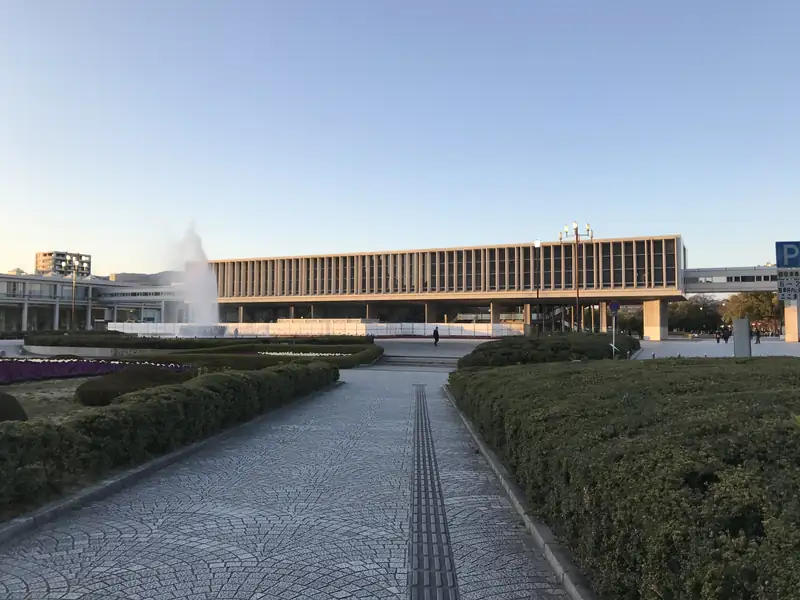
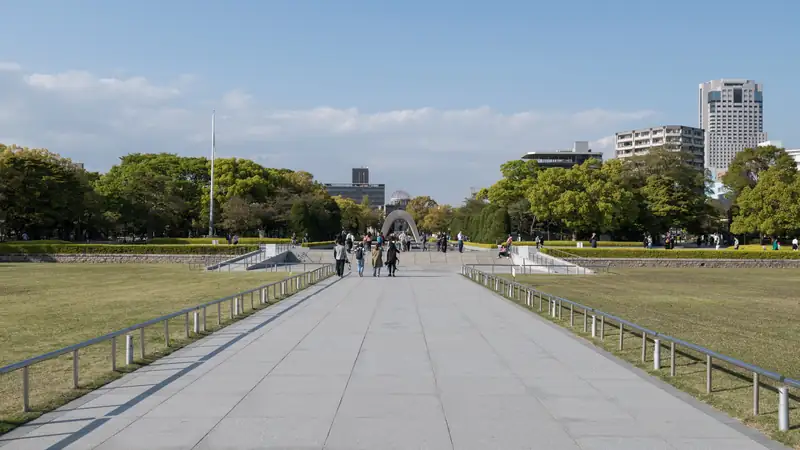
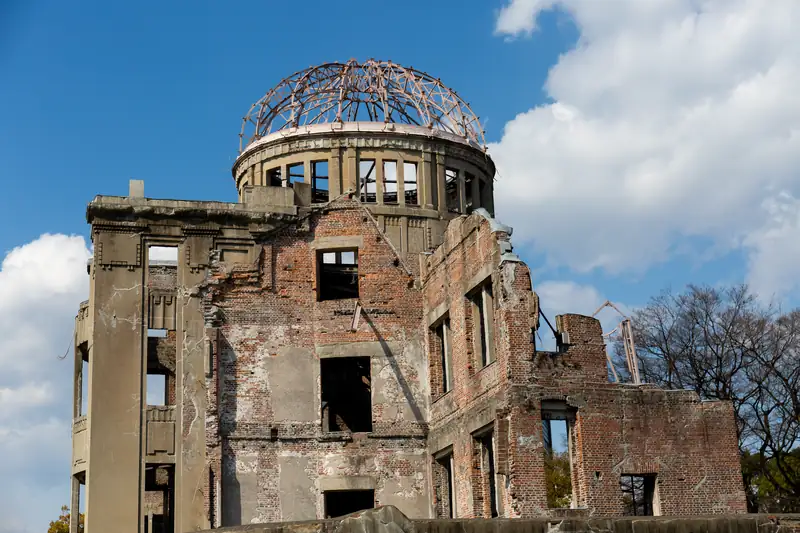
Allow 1.5 to 2 hours for the Hiroshima Peace Memorial Museum. The museum’s audio guide alone takes about 70 minutes, and the queue at the door can add more between 11:00 and 15:00, which the city says is the busiest time. An adult ticket is ¥200; high school students pay ¥100 and younger children enter free. The museum stands at the south end of Peace Memorial Park, about 10 minutes’ walk from the Atomic Bomb Dome. Fees, opening hours and how to book are on the museum tickets page.
What the museum is
The museum opened on 24 August 1955. It has two buildings joined together. The Main Building, designed by Kenzo Tange and raised on pillars at the end of the park’s central axis, was the first post-war building in Japan to be listed as an Important Cultural Property, in 2006. The East Building, rebuilt in 1994, holds the entrance, the information desk, the shop and the rooms for talks and films.
It is run for the city by the Hiroshima Peace Culture Foundation, and it is busy. In the year to March 2026 it had 2,580,926 visitors, a record for the third year running, and 945,618 of them came from overseas.
What you see inside
The permanent exhibition is about the atomic bombing of Hiroshima on 6 August 1945 and what it did to people. The Main Building displays belongings of people who died, and exhibits on the burns and radiation injuries the bomb caused. The museum asks visitors to keep their voices down in these rooms.
The audio guide, ¥500, covers the exhibition in about 70 minutes and comes in 15 languages, from Japanese, English, Chinese and Korean to Arabic, Thai and Ukrainian.
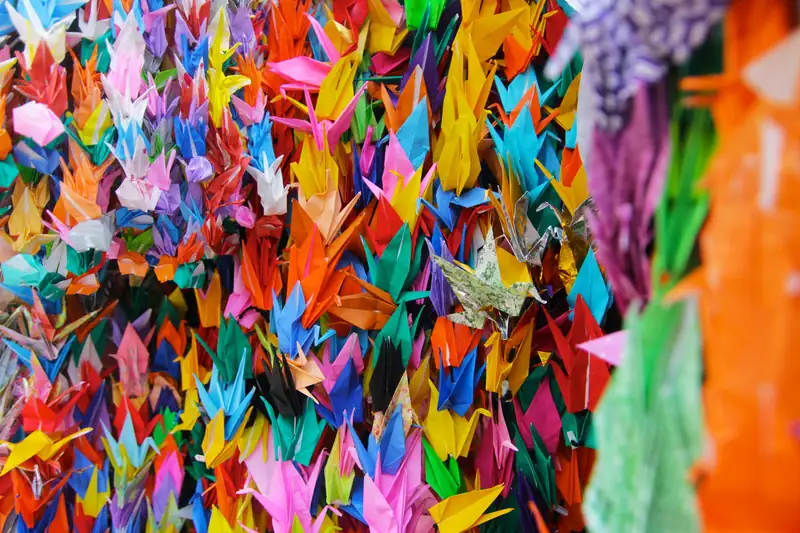
In the East Building lobby you can see the original bell and golden crane from the Children’s Peace Monument, given by the physicist Hideki Yukawa. Some of the paper cranes folded by Sadako Sasaki are also in the museum’s collection.
Human Shadow Etched in Stone
One exhibit people ask about is a set of granite steps from the entrance of the Sumitomo Bank’s Hiroshima branch in Kamiya-cho, about 260 m from the hypocentre. A person sitting on the steps that morning, probably waiting for the bank to open, is thought to have died there. The heat of the bomb bleached the surface of the stone around them; the part they covered stayed darker, leaving the outline people call the shadow.
The steps stayed in place for about 25 years. The bank gave them to the museum, and they arrived in 1971. The person has never been identified with certainty. The museum notes that several families have said it may have been one of their own.
How long to spend, and when to go
Most of your time goes on the Main Building. The 70-minute audio guide is a fair guide to the minimum; 1.5 to 2 hours is comfortable. Allow another hour or more for the park outside.
Timing matters more than at most museums. The city says the museum is most crowded from 11:00 to 15:00, and that the reserved early and late slots are much quieter. Busy seasons are cherry blossom time, Golden Week in early May, the spring and autumn school-trip seasons, 5 and 6 August, and the Obon holiday in mid-August. The museum runs live webcams of the queue inside and outside on its website.
Key times and prices (checked October 2026)
| Item | Detail |
|---|---|
| Adult ticket | ¥200 (65 and over ¥100 with passport) |
| High school students | ¥100 |
| Junior high and younger | Free |
| Opening time | 7:30 daily |
| Closing time | 18:00 to 20:00 by season; 21:00 on 5 and 6 August |
| Early and late hours | 7:30 to 8:30 and the last evening hour need an online reservation (museum site) |
| Last entry | 30 minutes before closing |
| Closed | 30 and 31 December, plus about a week in mid-February |
| Audio guide | ¥500, rent at the East Building 1F counter |
The museum tickets page has the full seasonal table and how online tickets work.
Hearing a survivor’s story: the 13:00 English talk
Every day from 1 January to 29 December, the museum holds talks by A-bomb Legacy Successors. These are people trained to pass on the experience of a particular survivor, as the survivors themselves grow older. The talks are free, need no booking, last about 60 minutes and take place in the East Building basement (B1F). The 13:00 session is in English; the 10:00, 11:30 and 14:30 sessions are in Japanese.
A free 22-minute film of survivors’ testimony also runs every 30 minutes in the Video Theater on the East Building’s first floor. The hibakusha guide covers other ways to hear testimony in Hiroshima.
Visiting with children
There is no official age guidance. What the exhibits contain is the best guide. The Main Building shows belongings of people who died, and exhibits about burns and radiation. Japanese school groups visit in large numbers every spring and autumn, so older children are a normal part of the museum’s audience. Younger children may find parts of it frightening.
A few things help:
- Talk with children before you go about what happened and why the museum exists.
- Let them set the pace. It is fine to walk past rooms quickly or leave early.
- Start or finish outside at the Children’s Peace Monument. The story of Sadako Sasaki and the paper cranes is often how Japanese children learn about the bombing.
- Families with small children can use the museum’s fast-track entry lane, which also serves visitors with disabilities and pregnant visitors.
- The museum’s Kids Peace Station website tells Sadako’s story for children, and can be read beforehand.
Etiquette inside
The museum asks visitors to keep quiet, not to make phone calls in the exhibition rooms, and to eat and drink only in the designated areas. Photos and video without flash are allowed for personal use; tripods and selfie sticks are not. Large bags must go in the coin lockers on the East Building’s first floor. Pets are not allowed except assistance dogs.
Getting there
The museum is about 10 minutes on foot from the Genbaku Dome-mae tram stop by the Dome, and about 10 minutes from the Hiroshima Bus Center. From Hiroshima Station, the tram takes 15 to 20 minutes. See how to get to the Atomic Bomb Dome for routes and fares, and where to stay in Hiroshima if you want to be at the door for the 7:30 opening.